top of page


All Posts


⚡ Understanding and Managing Intrusive Thoughts: A Comprehensive Guide
By Twisted Minds Counseling, Jasen Eberz, LCSW Exploring the Mind: A Guide to Understanding and Managing Intrusive Thoughts, Featuring a Creative Skull Design Symbolizing Mental Intrusions. AI Generated Image Intrusive thoughts are incredibly common. However, when they get stuck, they can create spirals of anxiety, fear, shame, or obsessive rumination. Research across CBT, ACT, somatic psychology, trauma therapy, and neurobiology points to one essential truth: ⚡ You Must Calm
jaseneberzlcsw
Dec 3, 2025


Rebuilding Trust in Relationships
The science says about rebuilding trust and offers concrete, therapist-informed steps you and your partner can take, whether you’re healing from a single rupture or a long pattern of disconnection.
jaseneberzlcsw
Nov 19, 2025


When Worry Won’t Let You Sleep: A Clinician’s Guide to Intrusive Thoughts, Sleep Hygiene & Science-Backed Supplement
This article blends: the thought-regulation strategies from your earlier Twisted Minds article the sleep protocols and neuroscience tools from the Huberman Lab and peer-reviewed research on rumination, insomnia, and intrusive thoughts to help you break the cycle.
jaseneberzlcsw
Nov 17, 2025


Top-Down vs. Bottom-Up Regulation: Navigating the Path to Mental Wellbeing
At Twisted Minds Counseling, we pair bottom-up tools that soothe the body, with top-down tools that reshape the story.
jaseneberzlcsw
Oct 24, 2025


Sexual Brakes & Accelerators
Your accelerator responds to erotic and emotional “green lights,” while your brake system downshifts when there’s stress, conflict, shame, etc. This article helps to explore your partner's patterns with curiosity - rather than pressure to improve intimacy.
jaseneberzlcsw
Oct 23, 2025


Values-Based Boundaries with Friends, Family, and Partners: How to Set Them, and Keep
When people say “just set boundaries,” it can sound like one more thing you’re failing at. Here’s the reframe: boundaries aren’t walls; they’re commitments to live your values in real time. In Acceptance & Commitment Therapy (ACT), values are chosen directions (not goals) that guide behavior under stress; acting from values—especially when it’s uncomfortable—predicts better psychological flexibility and well-being. MDPI+4PMC+4IJPSY+4 DBT adds the “how”: skills for asking,
jaseneberzlcsw
Oct 22, 2025


Where do Addictions Come From (and How to Keep One Addiction from “Turning Into” Another)
Addiction doesn’t come out of nowhere—it has roots. Learn the science behind why people develop addictions and how to prevent swapping one struggle for another. At Twisted Minds VB, we don’t believe in shame-based explanations for addiction. Addiction isn’t about being weak—it’s about how your brain, your body, and your life experiences all interact. When you can see the roots of the struggle, you can actually do something about it—and protect yourself from swapping one pr
jaseneberzlcsw
Sep 29, 2025
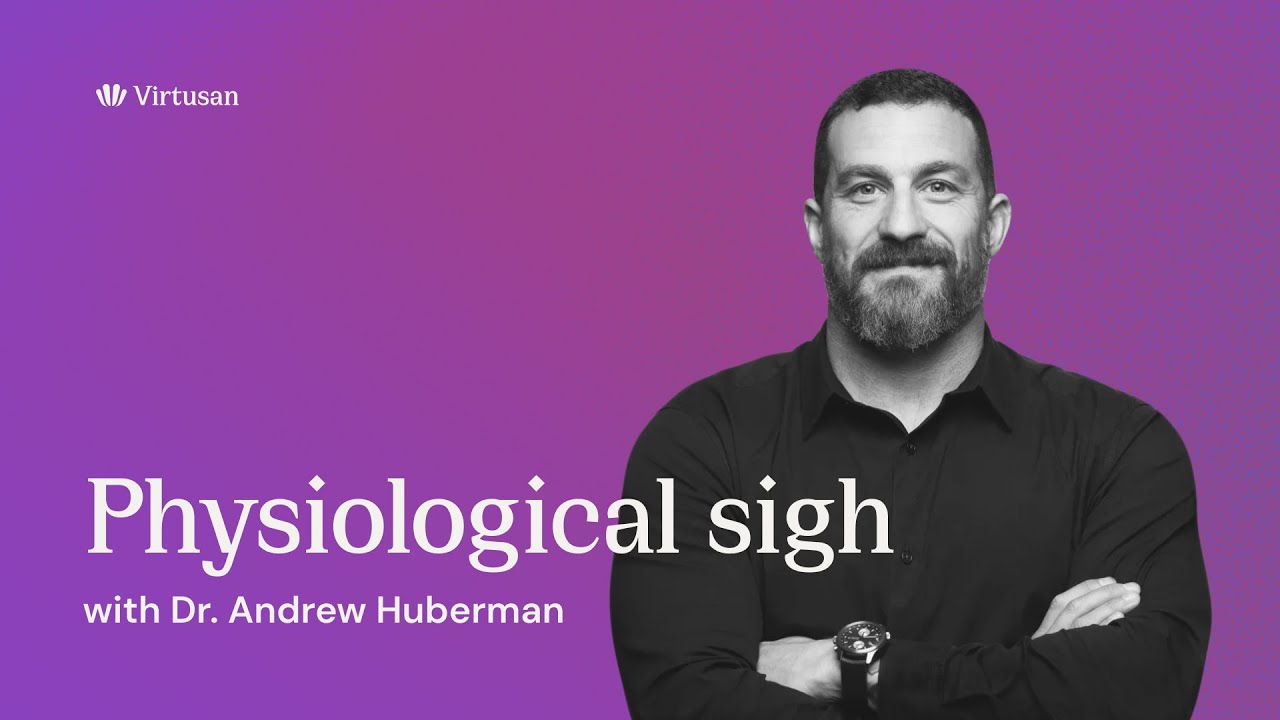
Breathwork Protocols for Stress, Focus & Sleep: What the Science Says (and How to Start in 5 Minutes)
Breathwork is one of the quickest ways to shift your state—because breathing is a direct “handle” on your autonomic nervous system. Drawing on Dr. Andrew Huberman’s Breathwork Protocols for Health, Focus & Stress and current peer-reviewed research, this post gives you clear, safe, evidence-based ways to use your breath for calm, focus, and better sleep. Huberman Lab How breathing changes your state (in plain English) Breathing balances oxygen (O₂) and carbon dioxide (CO₂) in
jaseneberzlcsw
Sep 4, 2025


Feeling Your Feelings: 5 Somatic Therapy Exercises to Connect with Emotions in the Body
https://www.pnas.org/doi/10.1073/pnas.1321664111 We often talk about emotions as if they live only in our minds—“I feel anxious,” “I feel sad,” “I feel angry.” But emotions are not just thoughts. They are whole-body experiences. Somatic psychotherapy focuses on this connection, helping us tune into where emotions actually show up in our physical bodies. By learning to notice sensations, we can better understand, process, and release our feelings instead of getting stuck in t
jaseneberzlcsw
Sep 3, 2025


6 Neuroscience-Backed Reasons to Stop Complaining (And One Powerful Way to Break the Habit)
6 Neuroscience-Backed Reasons to Stop Complaining (And One Powerful Way to Break the Habit)
Jasen Eberz, LCSW
Aug 27, 2025
bottom of page